Logistics, an essential component of the global supply chain, has evolved significantly over the past decades. It encompasses the planning, implementation, and control of the efficient movement and storage of goods, services, and information from the point of origin to the point of consumption. The aim is to meet customer requirements while optimizing resources and minimizing costs. This article delves into the multifaceted world of logistics, exploring its core aspects, current challenges, and future trends shaping the industry.
Understanding Logistics: Definition and Scope
At its core, logistics involves the detailed coordination of complex operations involving people, facilities, and supplies. It integrates several activities such as transportation, warehousing, inventory management, order fulfillment, and distribution. Logistics is not confined to any single industry but is a critical function across various sectors including retail, manufacturing, healthcare, 美國集運 and technology.
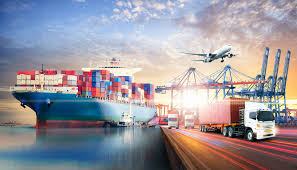
Transportation is perhaps the most visible aspect of logistics. It includes the movement of goods via road, rail, sea, or air. Efficient transportation systems are crucial for ensuring timely delivery and minimizing delays. Warehousing, another vital component, involves the storage of goods until they are needed. Modern warehouses are equipped with sophisticated technologies to streamline operations and manage inventory effectively.
The Role of Technology in Logistics
Technology has revolutionized logistics, making processes more efficient and transparent. Innovations such as Internet of Things (IoT), artificial intelligence (AI), and blockchain are playing pivotal roles. IoT enables real-time tracking of goods, providing valuable data on their location and condition. AI enhances decision-making by predicting demand patterns and optimizing routes. Blockchain, on the other hand, offers a secure and transparent way to track transactions and ensure authenticity.
Automation is also transforming logistics operations. Automated warehouses with robotics and conveyor systems are speeding up the sorting and packaging of goods. Drones and autonomous vehicles are being tested for delivery purposes, promising to reduce delivery times and operational costs.
Challenges Facing the Logistics Industry
Despite the advancements, the logistics industry faces several challenges. One significant issue is the growing complexity of global supply chains. As businesses expand internationally, managing logistics across multiple countries with different regulations, customs procedures, and infrastructure can be daunting. Disruptions such as natural disasters, political instability, and pandemics can further complicate logistics operations.
Another challenge is the increasing demand for sustainability. As environmental concerns mount, there is a push for greener logistics solutions. This includes reducing carbon emissions, optimizing energy use, and adopting eco-friendly packaging. Companies are investing in electric vehicles, renewable energy sources, and waste reduction practices to meet sustainability goals.
Labor shortages and skill gaps are also impacting the logistics sector. The industry relies heavily on a skilled workforce for operations such as driving, warehousing, and supply chain management. However, there is a shortage of qualified personnel, exacerbated by the rapid technological advancements that require new skill sets. Addressing this gap through training and education is crucial for the industry’s growth.
Future Trends in Logistics
Looking ahead, several trends are expected to shape the future of logistics. One major trend is the continued integration of advanced technologies. As AI and machine learning become more sophisticated, they will drive further innovations in logistics, from predictive analytics to advanced route optimization.
Sustainability will remain a key focus. The logistics industry is likely to see increased investment in green technologies and practices. Companies will prioritize reducing their environmental impact through measures such as carbon offsetting, sustainable packaging, and energy-efficient transportation.
The rise of e-commerce is also influencing logistics. The demand for faster delivery times is pushing companies to adopt more agile and responsive logistics strategies. This includes investing in last-mile delivery solutions and optimizing supply chains to handle high volumes of online orders.
Additionally, the concept of “smart logistics” will gain traction. This involves using data analytics and connected devices to create more efficient and responsive logistics networks. Smart logistics systems will enable real-time monitoring, better demand forecasting, and more precise inventory management.
Conclusion
Logistics is a dynamic and evolving field that plays a crucial role in the global economy. Its complexities and challenges require constant adaptation and innovation. With advancements in technology, a focus on sustainability, and the growing demands of e-commerce, the logistics industry is poised for significant transformation. Understanding these trends and embracing new solutions will be key for businesses aiming to stay competitive in the ever-changing logistics landscape.